

On Friday morning, June 24, some 1,500 sub-Saharan migrants attempted to jump the fence separating Morocco from the Spanish enclave of Melilla. Some 133 succeeded, but the brutality on both sides of the fence by the police forces of the two states left, according to a NGO left 37 dead, and untold numbers of wounded.
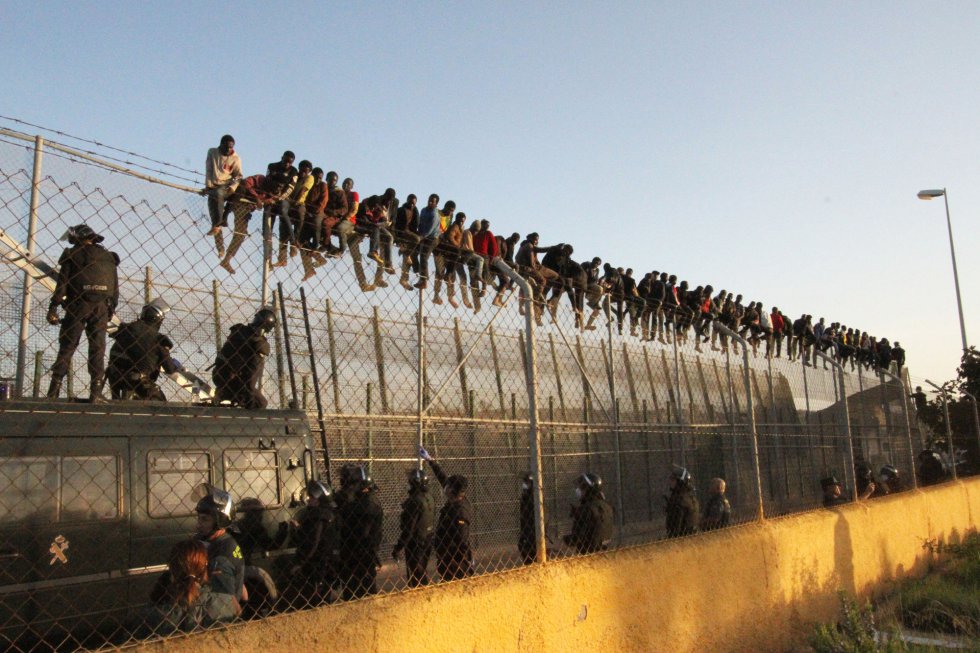
What happened in Melilla is so inhuman and cruel, there is the temptation to defend ourselves from shame and pain, and to quickly blame the politicians. But if as a society we say nothing, if we tolerate such brutality, we are simply accomplices.
The culture of indifference of which Pope Francis speaks, whose presence is directly proportional to the affluent life, is a social sin that we all need to review.
In great part, social sin is a collective blindness that the dominant culture takes care of by camouflaging and justifying, by erecting fences against them, and killing them without consequences. Only, by allowing ourselves to be touched by the pain of others, by accepting that our insides hurt, because of the «nobodies» who arrive with nothing more than their bodies, can we be rescued from that indifference that kills our humanity.

Let us not make excuses for the fact that everyone used violence. Fratelli Tutti makes us aware that, in the face of unequal forces, there is no room for comparison.
FT 253:“When injustices have occurred on both sides, it is important to take into clear account whether they were equally grave or in any way comparable. Violence p erpetrated by the state, using its structures and power, is not on the same level as that perpetrated by particular groups.”
Pope Francis invites us to open ourselves to the gift of the poor who arrive at our borders.
FT nº 135: “Immigrants, if they are helped to integrate, are a blessing, a source of enrichment and a new gift that encourages a society to grow.”
When these people have names and stories we get to know them, and they become part of our lives, we feel enriched and grateful; we realize that, in some way, they are a source of salvation for us.
May the dominant culture not cloud our vision and may we discover the face of Christ in our sub-Saharan brothers and sisters who only seek to live. With their deaths, a part of our dignity goes with them.
Mariángel Marco Teja, UJ June 27, 2022